Lead generation in OOH is defined as the deliberate use of physical advertising media, such as billboards, transit wraps, and LED mobile displays, to attract potential customers and move them toward a measurable conversion. Out-of-home advertising, the recognized industry term for what most marketers call OOH, works differently from digital direct response. It builds brand awareness at scale and primes buyers for later action rather than capturing clicks in the moment. The Outdoor Advertising Association of America (OAAA) and Nielsen research both confirm that OOH punches well above its budget weight. OOH accounts for only 7% of total marketing spend but drives over 26% of all offline-media-driven search activations. That ratio makes OOH one of the most cost-efficient top-of-funnel channels available to marketing professionals today.
What is lead generation in OOH, and how does it work?
OOH lead generation works through a “share of mind” effect rather than immediate clicks. A viewer sees your billboard or wrapped rideshare vehicle, registers the brand, and then searches for you later when the purchase need becomes active. OOH creates delayed conversion by keeping your brand visible during the gap between awareness and purchase intent.
The mechanics differ sharply from paid search or social ads. Digital ads interrupt a user mid-task and demand an immediate response. OOH intercepts people during commutes, errands, and events, planting a memory trace that resurfaces when they are ready to buy. That distinction shapes every creative and measurement decision you make.

Short exposure windows define the channel’s creative constraints. Viewers have only 3–6 seconds to process an OOH message and identify the call-to-action. That window is non-negotiable, so every element of the ad must earn its place.
OOH also amplifies your other channels. OOH increases search campaign effectiveness by over 40% and can amplify the reach of other marketing channels by up to 90% in a given week. That means a billboard running alongside a paid search campaign produces more leads than either channel running alone.
- Brand recall lift: Physical ads seen repeatedly on a commute route build familiarity that makes your digital retargeting ads feel familiar rather than intrusive.
- Search intent trigger: A well-placed OOH ad prompts branded searches hours or days after exposure, feeding your search campaigns with higher-intent traffic.
- Cross-channel synergy: OOH exposure raises the click-through rate on follow-up digital ads because the audience already recognizes the brand.
- Unskippable reach: Unlike pre-roll video or social ads, OOH cannot be blocked or skipped, guaranteeing impression delivery in high-traffic zones.
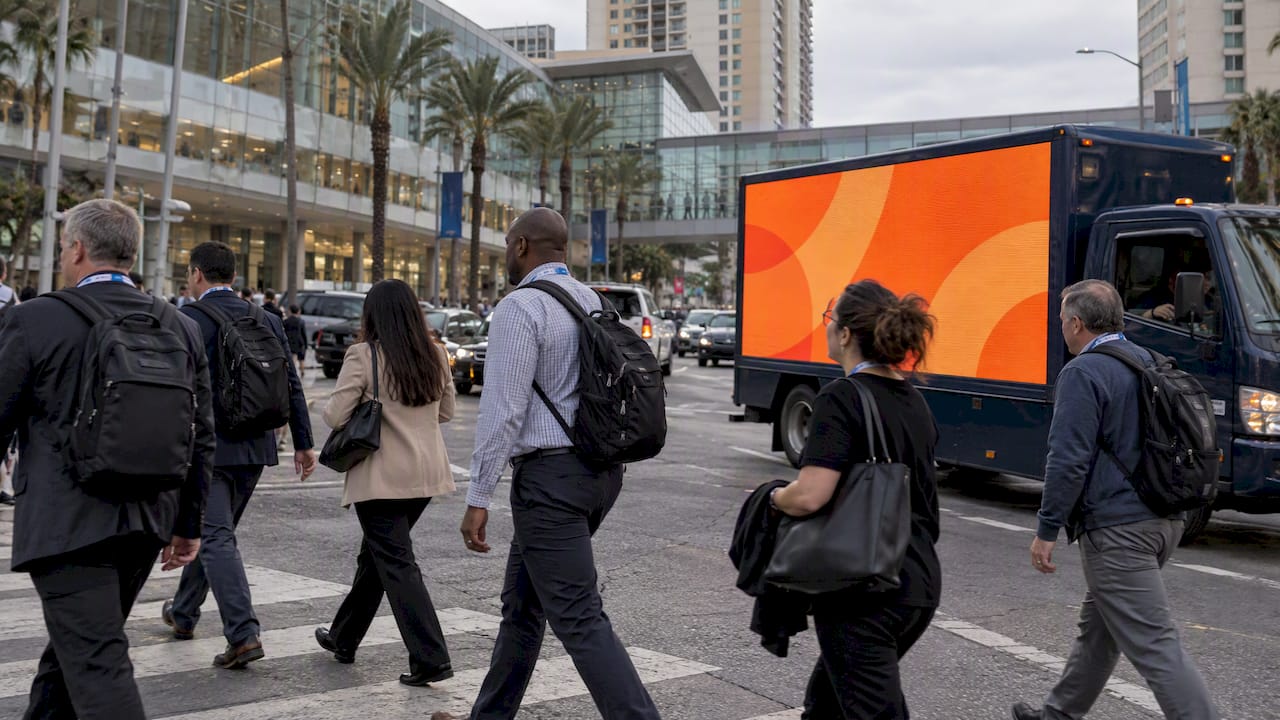
Pro Tip: Place your OOH near locations where your audience makes relevant decisions, such as near a competitor’s store, a trade show venue, or a commuter hub, so the brand impression lands at the highest-relevance moment.
What are the latest OOH lead generation strategies using DOOH and mobile retargeting?
Digital out-of-home advertising, known as DOOH, transforms static placements into programmable media. Programmatic DOOH enables real-time content updates, precise day-part targeting, and campaign management at scale. You can serve a morning commute audience a coffee promotion and switch to a dinner offer by 5:00 PM without reprinting anything.

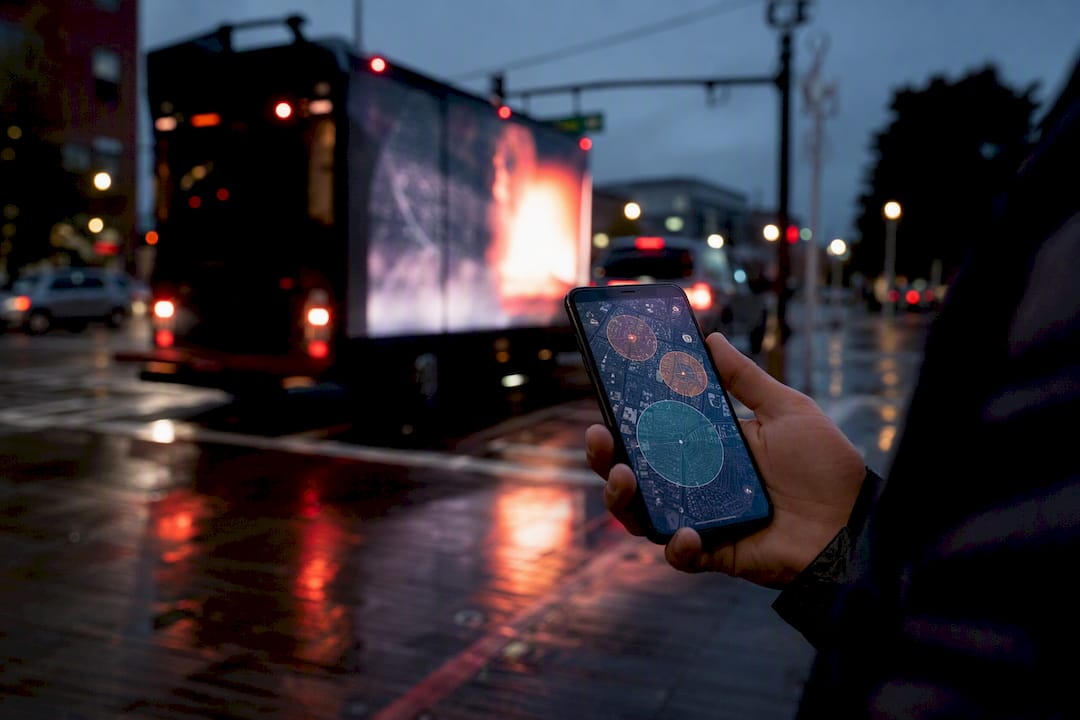
The biggest leap in OOH lead generation comes from pairing DOOH with mobile retargeting. Geofencing technology identifies mobile devices that pass near an OOH placement. Those devices then receive follow-up digital ads on social media, apps, and mobile browsers. DOOH combined with geofencing and mobile retargeting improves lead generation effectiveness by 40–60% compared to traditional OOH alone. That gap is large enough to change the ROI calculation for most campaigns.
Here is how a modern DOOH lead generation workflow runs:
- Deploy the OOH placement in a geofenced zone, such as a trade show district, a retail corridor, or a sports venue.
- Capture device IDs of mobile users who enter the geofenced area during the campaign window.
- Serve retargeting ads to those devices across mobile apps, social platforms, and display networks within 24–72 hours of exposure.
- Track conversions by linking retargeted ad clicks to form fills, calls, or store visits in your attribution platform.
- Refine audience segments based on which device clusters convert at the highest rate, then adjust OOH placement routes accordingly.
| DOOH feature | Lead generation benefit |
|---|---|
| Programmatic buying | Adjust spend and creative in real time based on performance data |
| Day-part targeting | Match ad content to audience behavior at specific times of day |
| Geofencing retargeting | Follow up with OOH-exposed audiences across digital channels |
| Attribution tracking | Measure web lift and foot traffic tied to specific placements |
Pro Tip: Run your geofence slightly larger than the physical OOH placement area. Pedestrians and drivers often see the ad from outside the immediate footprint, so a wider capture zone improves retargeting pool size.
Beacon-ads builds this entire workflow into its platform. Its LED mobile billboards and wrapped rideshare vehicles carry geofencing and real-time retargeting capabilities, so the physical ad and the digital follow-up run as one connected campaign. You can read more about OOH retargeting for marketers to see how the integration works in practice.
Which OOH marketing techniques maximize lead generation?
Effective OOH lead generation demands extreme creative simplicity with a direct visual call-to-action. The 3–6 second exposure window leaves no room for body copy, feature lists, or nuanced messaging. One headline, one image, one action.
The following techniques consistently produce the strongest results:
- Short, memorable URLs: Use a vanity URL that is five words or fewer. “GetQuoteNow.com” beats “yourcompany.com/request-a-free-consultation-today” every time.
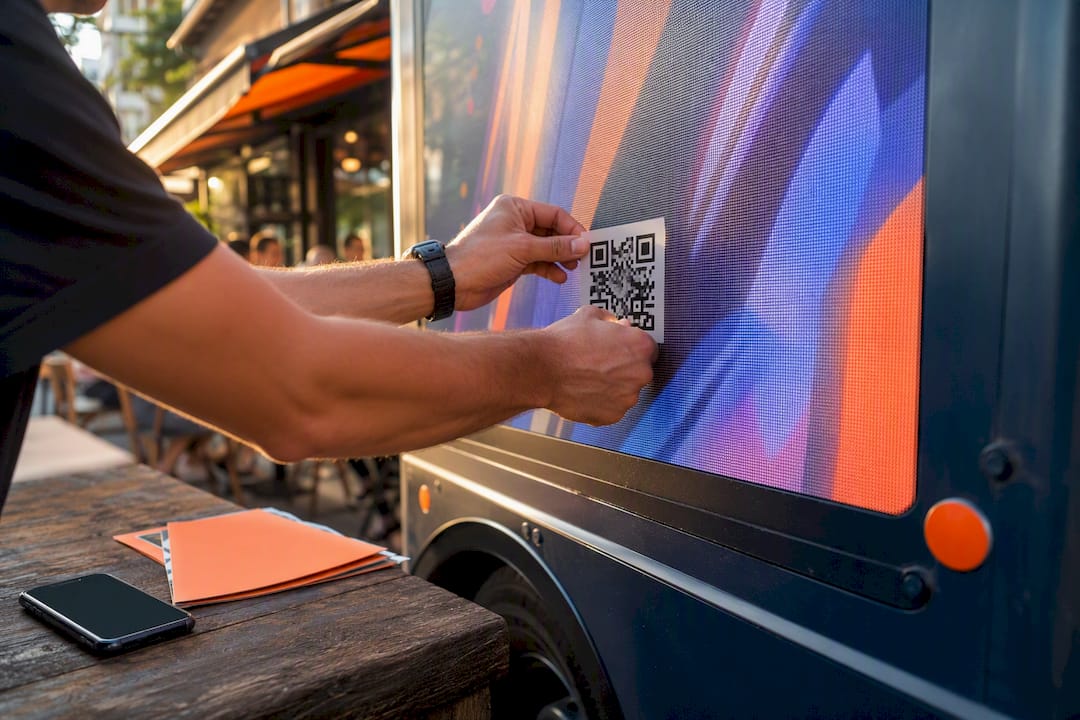
- QR codes on static placements: QR codes work well on bus shelters, venue walls, and any placement where the viewer can stop. Beacon-ads integrates smart QR codes that capture scan data directly, turning a passive impression into a named lead.
- High-contrast visuals: Bold color contrast and a single focal image increase recognition speed. Viewers process images before text, so the visual must carry the brand message independently.
- Location-matched messaging: An ad near a gym should speak to fitness goals. An ad near a financial district should speak to business outcomes. Relevance to the immediate environment raises recall.
- Consistent creative across channels: Use the same color palette, headline style, and offer language on your OOH as on your retargeting ads. Consistency accelerates recognition when the follow-up digital ad appears.
The most common mistake is expecting OOH to function like a paid search ad. OOH does not generate leads the moment someone sees it. It builds the brand equity that makes every downstream touchpoint more effective. Marketers should treat OOH as a long-term brand building channel that complements short-run, high-intent tactics.
Pro Tip: Test two creative variants on different routes or placements and compare branded search volume in each geographic area. This gives you a real-world A/B test without needing click data.
For a deeper look at localized OOH ad ideas that drive physical engagement, Beacon-ads covers placement and creative strategies tied to foot traffic outcomes.
How do you measure and attribute lead generation results from OOH?
Attribution is the hardest problem in OOH marketing, and most single-touch models undercount its impact. OOH rarely gets credit for a conversion because the viewer searches for you on Google, clicks a paid ad, and the CRM records the paid click as the source. Multi-touch attribution models fix this by distributing credit across all touchpoints, including the OOH exposure that triggered the search.
Dedicated phone numbers and unique URLs on OOH placements provide the most direct attribution signal. Assign a unique phone number to each billboard or route. Any call to that number traces back to that specific placement. The same logic applies to unique landing page URLs.
Attribution platforms using mobile device IDs measure both web traffic lift and foot traffic lift tied to specific DOOH exposures. When a device that entered your geofence later visits your website or physical store, the platform records that as an OOH-attributed conversion. This method works without any action from the viewer beyond normal phone usage.
Geographic test and control campaigns offer a clean measurement method. Run your OOH campaign in one city and hold it dark in a comparable city. Compare branded search volume, website traffic, and lead volume between the two markets over the same period. The difference isolates the OOH effect.
Pro Tip: Integrate your OOH attribution data into your CRM alongside digital channel data. When you can see OOH-exposed leads moving through the funnel alongside email and paid search leads, you get a true picture of OOH’s contribution to revenue.
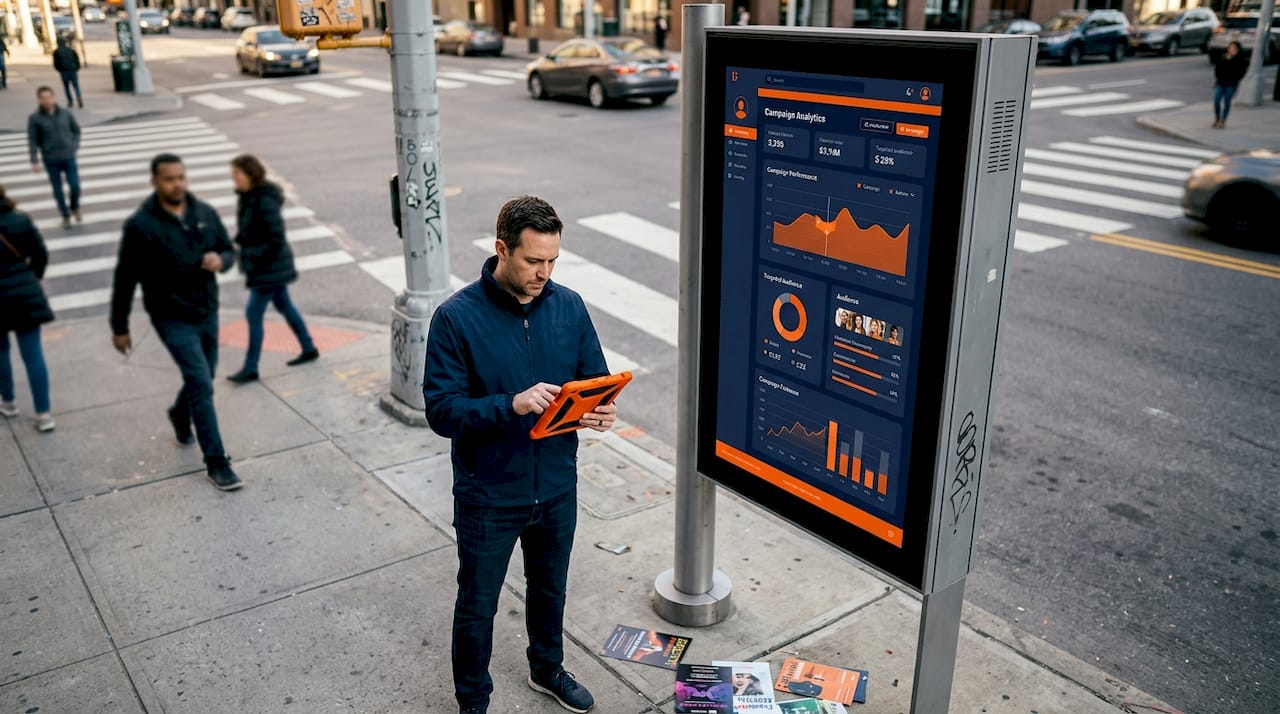
Beacon-ads provides proof-of-posting documentation and attribution analytics as standard. That means you receive verified delivery data alongside performance metrics, not just an invoice and a promise. For a full breakdown of data-driven OOH strategies, Beacon-ads covers how to connect OOH metrics to broader marketing analytics.
How does OOH fit into a multi-channel lead generation strategy?
OOH functions best as the top of the funnel, not the bottom. Marketing measured in qualified leads, not impressions, treats OOH as an unskippable touchpoint that drives higher-intent traffic downstream. The billboard creates awareness. The retargeting ad creates consideration. The landing page closes the lead.
The timeline question matters more than most marketers admit. OOH suits brands with a 9–12 month runway that can build brand consistency over time. If you need leads this quarter, pair OOH with outbound email or paid search to cover the short-term gap while OOH builds the brand equity that lowers your cost per lead over time.
Aligning OOH creative with your digital campaigns produces measurable synergy. Use the same offer, the same visual identity, and the same audience segment across both channels. When a prospect sees your billboard on their commute and then encounters your retargeting ad that evening, the second exposure feels like a reminder rather than an interruption.
- Top-of-funnel role: OOH builds brand recognition and triggers branded searches that feed paid search campaigns with warmer audiences.
- Audience refinement: Geofencing data from OOH campaigns reveals which locations and times produce the most engaged audiences. Use that data to refine your digital targeting segments.
- Consistent messaging: Match OOH headline language to your email subject lines and paid search ad copy. Repetition across channels accelerates the decision cycle.
- Funnel handoff: Use OOH to drive traffic to a dedicated landing page with a clear lead capture form. The OOH ad handles awareness; the landing page handles conversion.
Beacon-ads supports this multi-channel approach through route customization, affinity targeting, and funnel metrics that connect physical ad delivery to digital outcomes. Their lead generation workflow guide walks through how OOH integrates with the broader marketing funnel.
Key Takeaways
OOH lead generation works best when physical ad placements are paired with geofencing retargeting, dedicated attribution tools, and creative designed for a 3–6 second exposure window.
| Point | Details |
|---|---|
| OOH drives search, not clicks | OOH generates over 26% of offline-media-driven search activations despite representing only 7% of marketing spend. |
| DOOH plus retargeting multiplies results | Combining DOOH with geofencing retargeting improves lead generation effectiveness by 40–60% over traditional OOH alone. |
| Creative simplicity is non-negotiable | Viewers have 3–6 seconds to process an OOH ad, so one headline, one image, and one call-to-action is the maximum viable format. |
| Attribution requires dedicated tracking | Use unique phone numbers, vanity URLs, and mobile device ID platforms to connect OOH exposure to actual conversions. |
| OOH is a long-term brand channel | Plan for a 9–12 month timeline to see full brand equity returns, and pair OOH with outbound tactics for short-term pipeline. |
Why most marketers misread OOH as a direct response channel
The biggest mistake I see marketing professionals make with OOH is measuring it against paid search metrics. They run a billboard for 30 days, check their CRM for leads tagged “billboard,” find almost none, and conclude OOH does not work. That conclusion is wrong, and it costs them real competitive advantage.
OOH is a memory channel. It works in the background, building familiarity that makes every other touchpoint more effective. The prospect who sees your LED mobile billboard three times during their commute week is not going to scan a QR code while driving. But when they see your retargeting ad that Friday evening, they recognize the brand instantly. That recognition is worth money, and single-touch attribution never captures it.
The marketers who get the most from OOH treat it as infrastructure, not a campaign. They run it consistently, align it tightly with digital retargeting, and measure brand lift and search volume rather than direct form fills. They also pick formats that move. A static billboard in one location reaches the same audience repeatedly. A mobile LED truck or a wrapped rideshare vehicle covers new ground every day, expanding the awareness footprint without adding placements.
My honest recommendation: if you have never run OOH with geofencing retargeting attached, start there. The combination closes the attribution gap and gives you data to defend the spend internally. Once you see the downstream lift on your paid search and email campaigns, the case for OOH becomes self-evident.
— Scott
How Beacon-ads powers measurable OOH lead generation
Beacon-ads operates LED mobile billboards and wrapped rideshare vehicles across all 50 states, combining physical reach with built-in digital targeting. Every campaign includes geofencing, real-time retargeting, smart QR code integration, and attribution analytics, so you capture leads from the physical ad and follow up with precision across digital channels.

Whether you are building brand awareness in a new market or driving foot traffic to a specific location, Beacon-ads connects the physical impression to a measurable outcome. Explore the full range of OOH advertising formats available for your next campaign, or review how digital OOH strategies integrate with your existing marketing funnel to generate qualified leads at scale.
FAQ
What is lead generation in OOH advertising?
Lead generation in OOH is the process of using physical advertising media, such as billboards, transit wraps, and mobile LED displays, to attract potential customers and drive them toward a measurable conversion, typically through digital follow-up channels like retargeting or branded search.
How does OOH advertising generate leads without clickable links?
OOH builds brand awareness that triggers later searches and direct inquiries. Marketers capture those leads using dedicated phone numbers, unique URLs, QR codes, and geofencing retargeting that follows up with OOH-exposed audiences across digital platforms.
What is the best way to measure OOH lead generation ROI?
The most reliable methods combine dedicated phone numbers and vanity URLs for direct attribution with mobile device ID platforms that measure web and foot traffic lift. Geographic test and control campaigns isolate OOH impact without requiring any viewer action beyond normal behavior.
How long does OOH take to generate leads?
OOH works on a longer timeline than direct response channels. Brands with a 9–12 month runway see the strongest brand equity returns, though pairing OOH with geofencing retargeting produces measurable lead lift within the first campaign cycle.
Does digital out-of-home advertising improve lead generation results?
DOOH combined with geofencing and mobile retargeting improves lead generation effectiveness by 40–60% compared to traditional static OOH alone, making programmatic DOOH the highest-performing format for measurable lead capture in out-of-home advertising.