What are the biggest targeted marketing trends shaping 2026?
The clearest signal from 2026 is this: AI-driven personalization, behavioral targeting, and real-time geofencing are no longer optional upgrades for mobile out-of-home campaigns. They are the baseline. Marketers running LED mobile billboards and vehicle wraps who ignore these shifts are competing with one hand tied behind their back.
Here is what actually matters this year:
- AI campaign optimization now drives A majority of marketers to use AI for content drafting, with many applying it directly to campaign optimization
- Behavioral targeting delivers up to a 45% ROI increase over generic ad placements
- Agentic commerce is reshaping brand discovery, as AI shopping assistants actively recommend brands on behalf of consumers
- Privacy compliance through consent management platforms is now a legal and trust requirement, not a nice-to-have
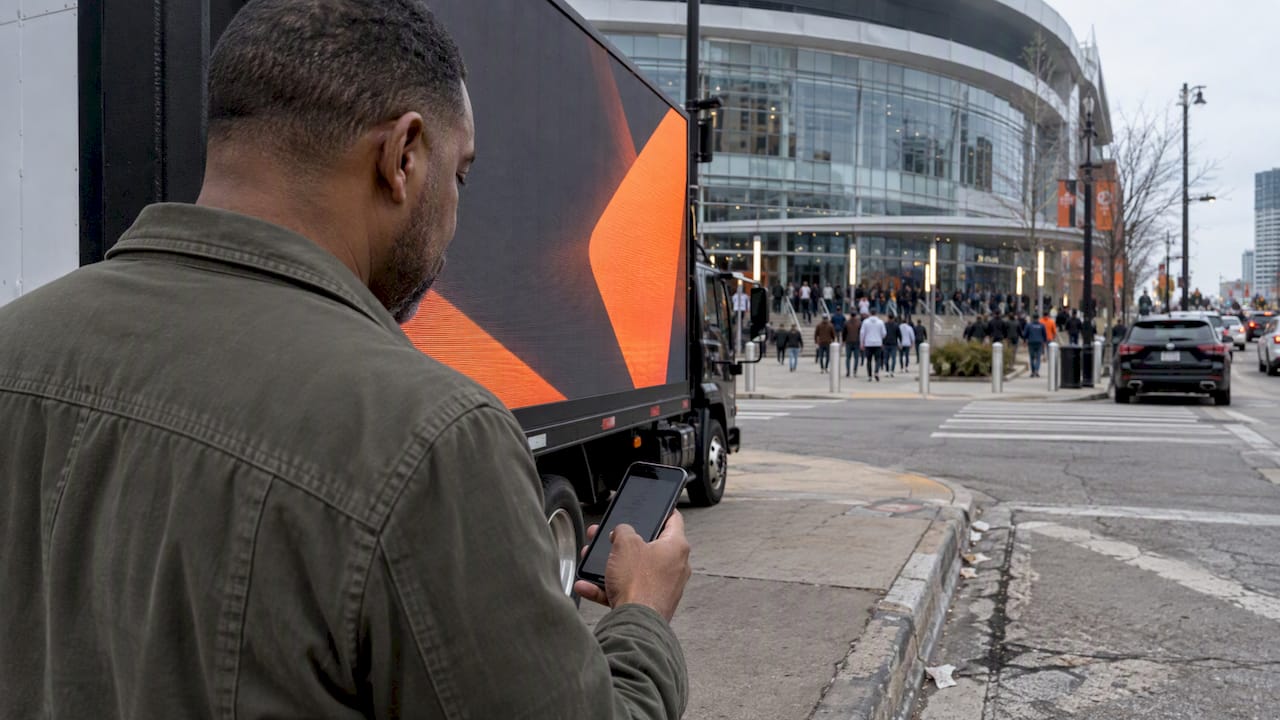
- Geofencing and real-time retargeting let mobile billboard routes respond to live audience data
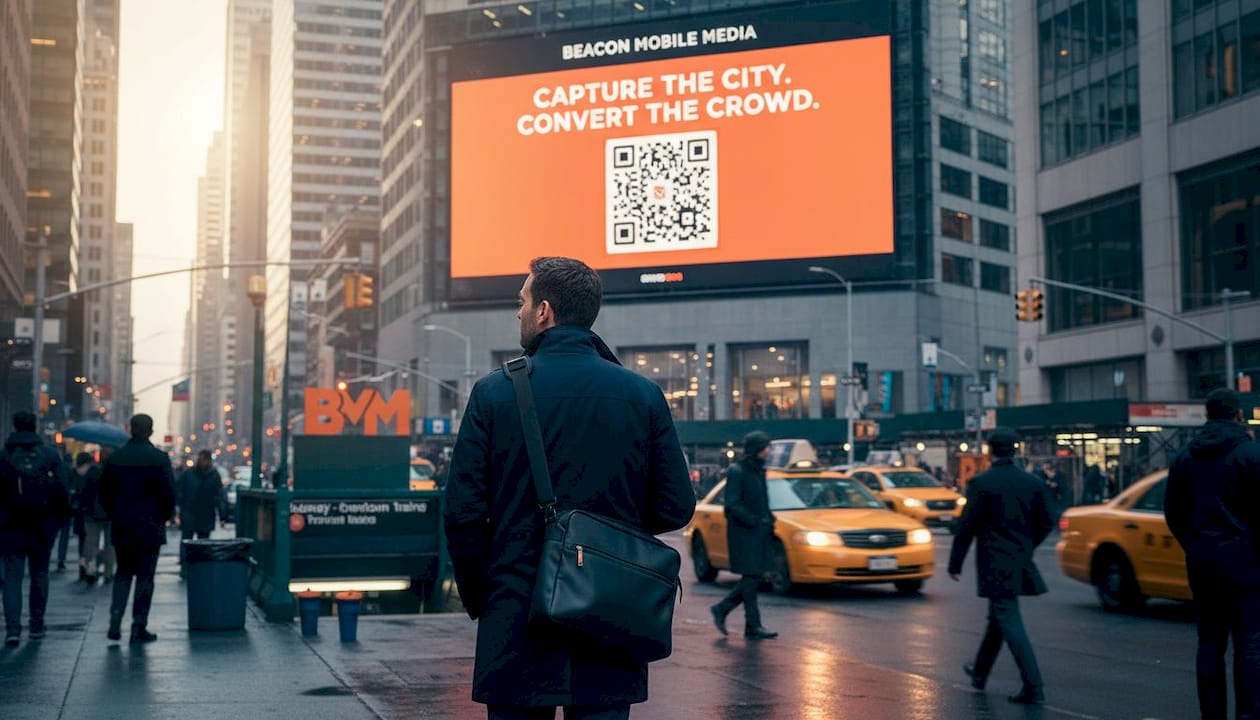
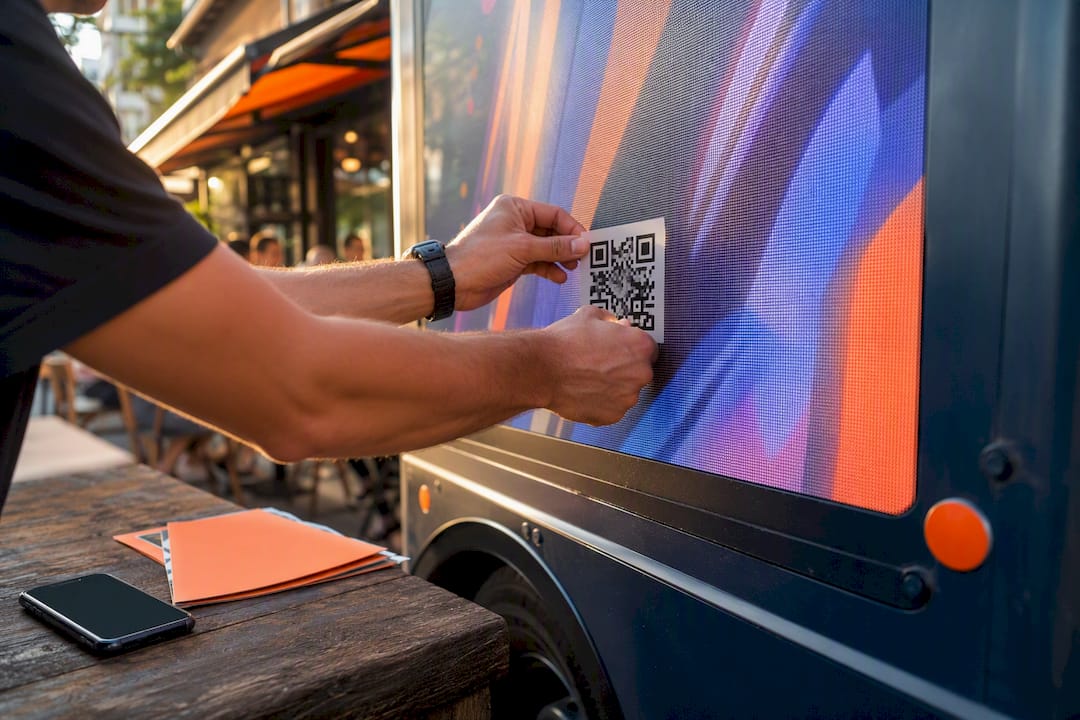
- QR codes on LED trucks and wrapped vehicles capture lead data directly from physical impressions
- Attribution analytics combining proof-of-posting with engagement data finally gives OOH campaigns the measurement rigor digital channels have had for years
Table of Contents
How AI and data-driven techniques power mobile OOH advertising in 2026
AI-powered campaign design and optimization
AI has moved well past writing ad copy. The 2026 Customer Messaging Report shows many marketing teams now use AI for campaign optimization and performance analysis. For mobile LED billboard operators, this means AI can analyze foot traffic patterns, event schedules, and demographic data to recommend optimal routes before a truck ever leaves the lot.
Beacon-ads applies this logic directly, using affinity targeting and audience-specific filtering to place mobile billboards where the right people are, not just where traffic is high.

Behavioral targeting and conversion lift
Behavioral targeting outperforms both contextual and demographic targeting on every key metric: a 3.1% click-through rate versus 1.2% for demographic ads, and a conversion rate of 5.4% versus 2.6%. For vehicle wrap campaigns, this means pairing physical routes with digital retargeting sequences triggered by real user behavior, not just zip codes.
Pro Tip: Layer behavioral audience segments from your CRM onto geofencing zones to retarget people who physically passed your LED truck within 24 hours.
Authentic storytelling in an AI-saturated market
Industry leaders in 2026 are clear that moving beyond fragmented AI tool use toward unified, trust-centered strategies is the primary differentiator. The American Marketing Association’s 2026 Future Trends report, built from input by over 30 marketing professionals, identifies authentic storytelling as one of five forces reshaping the profession. For OOH advertisers, that means creative on your LED trucks and wraps needs a human point of view, not just a product shot.
Privacy compliance and consent management
Real-time intent signals processed on-device now enable privacy-compliant behavioral targeting that aligns with GDPR and US state mandates including CCPA. Embedding a consent management platform into your digital retargeting stack is not optional. Gartner’s 2026 marketing predictions flag ambient data privacy as a growing challenge as connected devices multiply.
Agentic commerce and brand visibility
“Agentic commerce” searches have seen a rapid increase year over year (https://ahrefs.com/blog/marketing-trends/), reflecting a real shift: AI assistants are beginning to execute purchases on behalf of consumers. Brands that structure their information so AI can parse and recommend them gain a visibility edge. For AI-driven campaign strategies, this means optimizing brand data feeds alongside physical ad placements.
Geofencing, QR codes, and attribution
Beacon-ads combines geofencing, smart QR codes, and proof-of-posting documentation into a single measurement loop. QR scans on mobile LED boards convert physical impressions into trackable leads. Attribution analytics then tie those leads back to specific routes, times, and audience segments, giving you the ROI clarity that traditional billboards never could.
5G, edge computing, and cross-channel synergy
5G and edge computing accelerate localized content delivery, enabling richer creative and faster real-time updates on mobile LED displays. The biggest multiplier, though, is cross-channel coordination: a vehicle wrap seen on a commute, followed by a retargeted social ad that evening, followed by an email triggered by a QR scan, creates a funnel that no single channel can replicate alone.
“Stop panic-piloting and start integrating. The era of disconnected tests and brand versus performance is over. You can’t bolt AI onto legacy processes.” — Think with Google, 2026 Marketing Predictions
Beacon-ads puts every one of these capabilities into a single mobile OOH platform, from geotargeted billboard routes to real-time retargeting across all 50 states. If you want to see how data-driven OOH campaigns actually perform, the numbers are there.

Key Takeaways
In 2026, mobile OOH campaigns that combine behavioral targeting, geofencing, and attribution analytics consistently outperform those relying on route reach alone.
| Point | Details |
|---|---|
| AI drives optimization | 45% of marketers now use AI for campaign optimization, and 61% use it for content drafting, according to the 2026 Customer Messaging Report. |
| Behavioral targeting lifts ROI | Behavioral targeting delivers up to a 45% ROI increase over generic ad placements. |
| Agentic commerce demands visibility | AI shopping assistants are actively recommending brands; structure your data to be found. |
| QR codes close the loop | QR scans on LED trucks convert physical impressions into trackable, retargetable leads. |
| Attribution is now table stakes | Proof-of-posting combined with engagement data gives OOH campaigns measurable ROI for the first time. |