High-traffic campaigns are defined as paid or organic advertising efforts built to maximize the volume of qualified impressions across one or more channels within a set timeframe. Investing in high-traffic campaigns gives brand managers a direct path to building awareness at scale, feeding retargeting pools, and generating the data needed to improve conversion rates downstream. The benefits of high-traffic advertising extend well beyond raw reach. When paired with measurement systems and conversion infrastructure, these campaigns compound over time. This guide covers the core advantages, the right sequencing, and the multi-channel strategies that produce the strongest return in 2026.
Why invest in high-traffic campaigns for brand visibility?
High-traffic advertising is the fastest way to close the gap between a brand and a large audience. Out-of-home advertising can increase multi-channel campaign reach by up to 90% in a single week. That number means a brand running a coordinated OOH and digital campaign can nearly double its effective audience in days, not quarters.
Consumer recall reinforces the case. 79% of consumers recall an outdoor ad they saw within the past 30 days. Digital display ads rarely achieve recall rates above single digits in the same window. The gap exists because physical placements in high-traffic environments create repeated, unavoidable exposure rather than one skippable impression.

Frequency and dwell time drive that recall. Transit and commuter environments, for example, expose the same audience to a message multiple times per week. Repetition builds familiarity, and familiarity builds trust before a prospect ever visits a website.
The table below summarizes recall, reach, and ROI benchmarks across common high-traffic advertising formats.
| Format | Recall rate | Reach impact | Reported ROI |
|---|---|---|---|
| Out-of-home (OOH) | 79% within 30 days | Up to 90% multi-channel lift | £1.60 per £1 spent |
| Digital display | Low single digits | Broad but fragmented | Variable |
| Pop and push ads | Low intent, high volume | Top-of-funnel scale | Low cost per acquisition |
| AI-driven paid search | High intent | Targeted, lower volume | 5x conversion vs. organic |
The OOH ROI figure of £1.60 per £1 spent reflects campaigns that integrate physical placements with digital follow-up. Standalone OOH performs well. OOH combined with retargeting performs better.
What role does traffic data play in campaign optimization?
Traffic data is the raw material that separates a profitable campaign from a budget drain. AI-driven bidding improves conversion efficiency by 18% compared to manual methods. That improvement comes from real-time adjustments to bid prices, audience segments, and placement timing that no human team can match at scale.
The metric that matters most is not click-through rate. Earnings Per Click (EPC) measures actual revenue generated per visitor, which accounts for both conversion rate and average order value. CTR tells you how many people clicked. EPC tells you whether those clicks were worth buying. Brand managers who optimize for EPC rather than CTR consistently allocate budget more efficiently.

Traffic from AI-driven search platforms converts approximately 5x better than standard organic search traffic. That gap reflects the intent signal embedded in AI-assisted queries. Users who arrive through these platforms are further along in their decision process.
Building a measurement system before scaling spend is the prerequisite most teams skip. Segmenting conversion rates by traffic source and landing page reveals which channels are carrying the campaign and which are consuming budget without contributing. Without that segmentation, scaling traffic amplifies both the wins and the waste equally.
Pro Tip: Set up source-level conversion tracking in your analytics platform before you increase any traffic budget. Identify your top two converting sources, then allocate at least 60% of incremental spend there first.
How should marketers balance traffic investment with conversion optimization?
Traffic investment and conversion rate optimization (CRO) are not competing priorities. They are sequential ones. Without proper conversion infrastructure, traffic investment amplifies inefficiencies and wastes budget. Sending more visitors to a broken funnel does not fix the funnel. It just costs more.
The sequencing framework most brand managers benefit from follows four steps:
- Establish a traffic threshold. Run enough volume to generate statistically meaningful conversion data. A few hundred sessions per landing page variant is the minimum for reliable conclusions.
- Build measurement infrastructure. Segment conversion rates by traffic source, device type, and landing page. Identify the baseline before changing anything.
- Run CRO before scaling. Fix the highest-impact conversion barriers first. A 1% improvement in conversion rate on 10,000 visitors produces 100 additional conversions at zero additional traffic cost.
- Scale traffic on validated funnels. Once conversion rates are stable and segmented, increase spend on the sources that perform. Traffic increases have additive cost effects. Conversion improvements have multiplicative impacts, which is why CRO compounds over time while traffic spend does not.
The risk of a traffic-first mindset is real. A brand that pours budget into high-volume placements before validating its landing pages will see rising cost per acquisition with no clear cause. The traffic looks healthy in the dashboard. The revenue does not follow.
Pro Tip: Before doubling your traffic budget, calculate what a 0.5% improvement in your current conversion rate would be worth. If that number exceeds the projected revenue from more traffic, fix the funnel first.
What are effective strategies for multi-channel high-traffic campaigns?
The highest-performing high-traffic campaigns in 2026 combine out-of-home placements with digital retargeting. OOH exposure increases the effectiveness of downstream digital ads by up to 90%. The mechanism is straightforward: physical ads build brand familiarity, and digital retargeting converts that familiarity into action. Neither channel works as well alone.
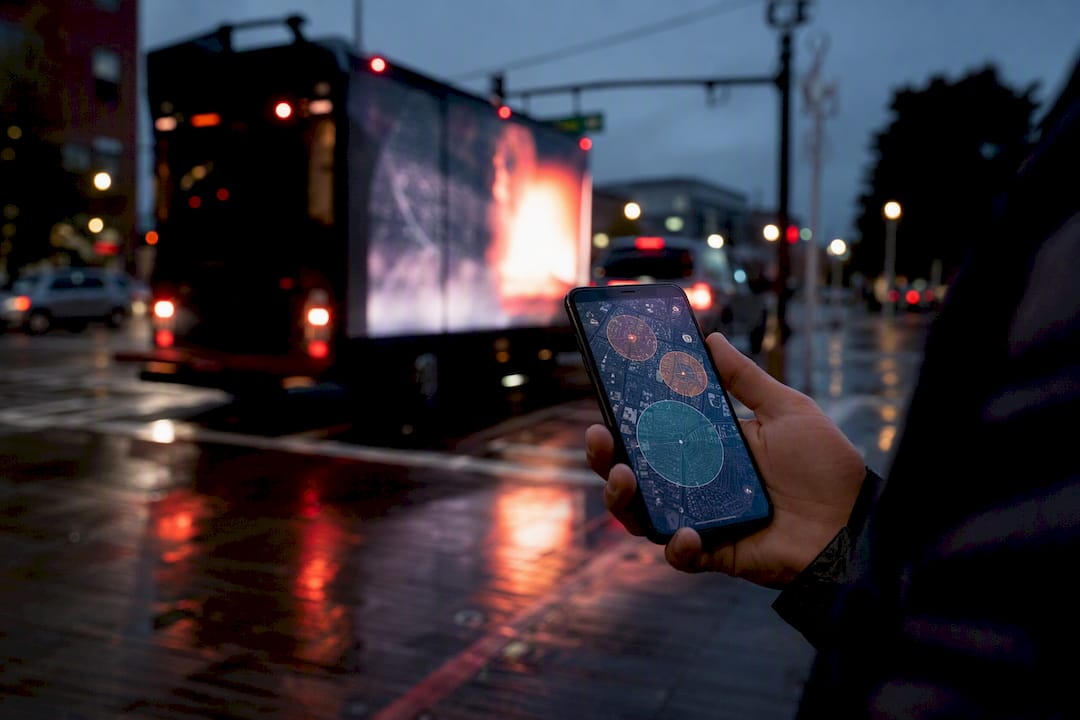
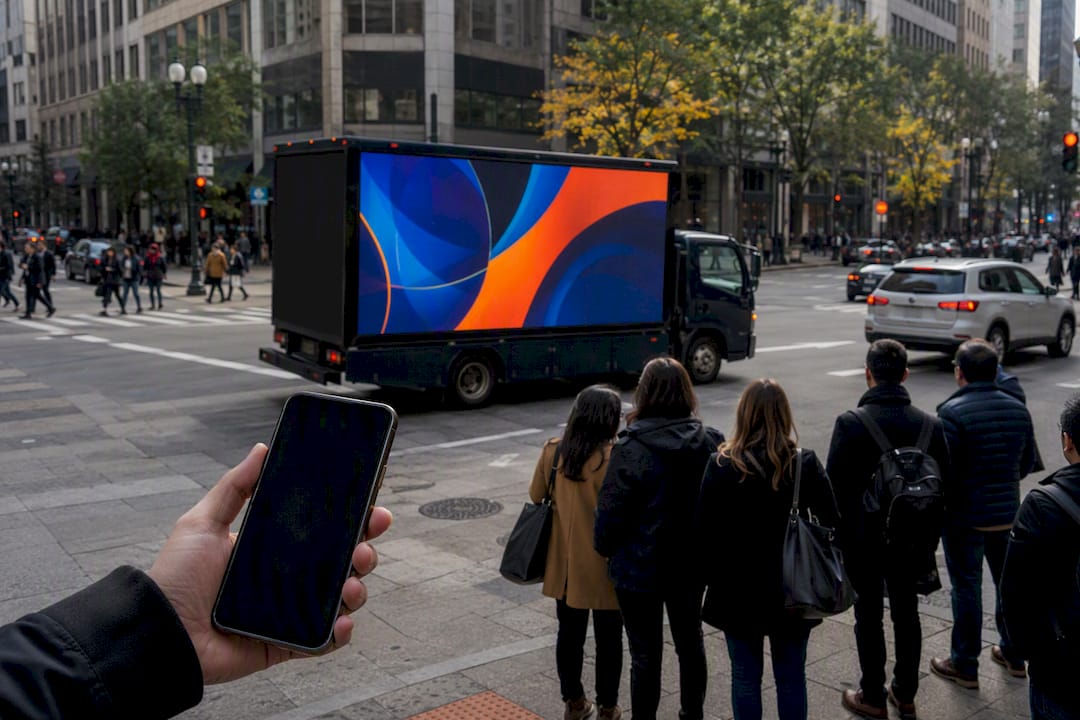
Geo-targeting sharpens this combination further. Placing OOH units in high-traffic corridors and then retargeting the devices detected in those areas creates a closed loop between physical exposure and digital follow-up. Beacon-ads uses this approach with LED mobile billboards and wrapped rideshare vehicles, running geofenced digital retargeting alongside physical placements across all 50 states.
High-volume formats like pop and push ads serve a different but complementary role. Pop traffic converts at approximately 0.5%, but the cost per acquisition is low enough to make it viable for top-of-funnel audience building. The goal with these formats is not direct conversion. The goal is building a large retargeting pool that more efficient channels can then work.
The table below maps traffic types to their recommended use cases.
| Traffic type | Primary use case | Conversion intent | Best paired with |
|---|---|---|---|
| OOH placements | Brand awareness, recall | Low to medium | Digital retargeting |
| AI-driven paid search | Direct response | High | CRO-optimized landing pages |
| Pop and push ads | Audience building | Low | Retargeting campaigns |
| Geo-targeted mobile | Local activation | Medium to high | OOH, event marketing |
Portfolio allocation across these types depends on campaign maturity. Early-stage brands benefit most from OOH and geo-targeted formats that build awareness. Established brands with validated funnels should weight spend toward AI-driven search and retargeting, where intent is highest and conversion infrastructure can capture it.
Marketing strategies that build foundational assets before scaling traffic see sustained results. The compounding effect of a well-built retargeting pool, combined with a high-recall OOH presence, outperforms any single-channel approach over a 12-month horizon.
Key Takeaways
High-traffic campaigns deliver the strongest returns when physical reach, digital retargeting, and conversion infrastructure work together from the start.
| Point | Details |
|---|---|
| OOH drives measurable recall | 79% of consumers recall outdoor ads within 30 days, outperforming digital display by a wide margin. |
| Sequence CRO before scaling | Fix conversion barriers before increasing traffic spend to avoid amplifying waste. |
| Segment by traffic source | Measure conversion rates per source and landing page before committing to higher budgets. |
| Combine OOH with retargeting | OOH paired with digital retargeting increases downstream ad effectiveness by up to 90%. |
| Use high-volume formats for reach | Pop and push ads build retargeting pools cost-effectively, even at low direct conversion rates. |
What I’ve learned from watching brands get traffic investment wrong
The most common mistake I see brand managers make is treating traffic as the solution to a revenue problem. Traffic is not the solution. Traffic is the amplifier. If your funnel converts at 1%, buying more traffic gives you more 1% conversions. If your funnel converts at 3%, the same budget triples its output. The math is not subtle, but the urgency of hitting short-term reach targets makes it easy to ignore.
The second mistake is treating traffic buying as a one-time setup. Traffic buying requires continuous optimization and quality monitoring. Sources degrade. Audiences saturate. A campaign that performed well in Q1 may be delivering diminishing returns by Q3 without any obvious signal in the top-line numbers.
What I find genuinely underused is the OOH-to-digital retargeting loop. Most brand managers think of OOH as a brand awareness play with no measurable downstream effect. The data says otherwise. When you run a mobile billboard through a specific neighborhood and then retarget the devices detected in that area, you are connecting a physical impression to a digital conversion path. That connection is trackable, and the impact on digital ad effectiveness is substantial.
My honest recommendation: build your measurement infrastructure first, validate your conversion rates by source, and then scale the channels that earn it. Traffic investment rewards patience and precision. It punishes urgency without data.
— Scott
How Beacon-ads powers high-traffic campaigns with OOH precision
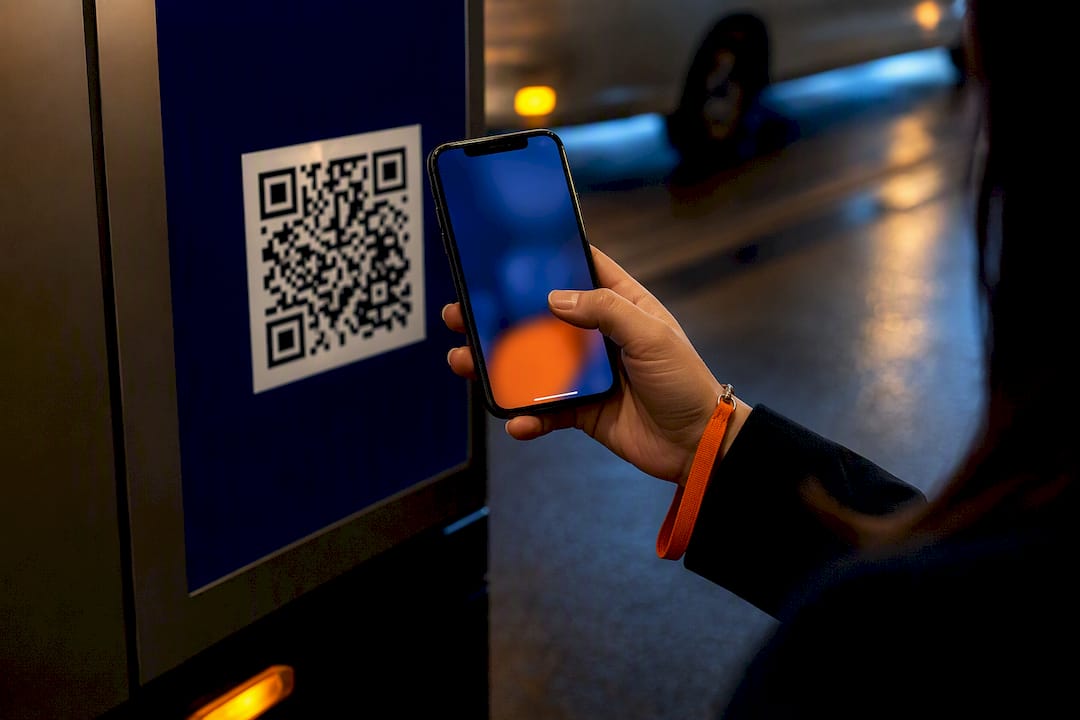
Beacon-ads combines LED mobile billboards and wrapped rideshare vehicles with geofencing, real-time retargeting, and smart QR code data capture to give brand managers a measurable high-traffic advertising program.

Every Beacon-ads campaign includes proof-of-posting documentation, attribution analytics, and route customization so you can connect physical impressions to digital outcomes. If you are building a multi-channel traffic strategy for 2026, the OOH advertising formats guide covers the full range of placement options and their performance benchmarks. For brands ready to integrate digital retargeting with physical reach, Beacon-ads provides the infrastructure to run both from a single campaign.
FAQ
What are high-traffic campaigns in marketing?
High-traffic campaigns are advertising efforts designed to maximize the volume of qualified impressions across paid, organic, or out-of-home channels within a defined period. Their primary purpose is building brand awareness, feeding retargeting pools, and generating the data needed for downstream conversion optimization.
Why do high-traffic campaigns improve brand recall?
Physical high-traffic placements like OOH ads produce repeated exposure in unavoidable environments, which drives a 79% recall rate within 30 days. Digital ads in cluttered feeds rarely achieve comparable retention because they are skippable and low-frequency.
How does AI improve high-traffic campaign performance?
AI-driven bidding improves conversion efficiency by 18% over manual methods by adjusting bids, audiences, and placements in real time. Traffic from AI-assisted search platforms also converts approximately 5x better than standard organic search traffic.
Should I invest in traffic or CRO first?
Invest in CRO first if your current conversion rate is below your industry benchmark. Conversion improvements have multiplicative long-term impacts, while traffic increases carry ongoing cost burdens. Scale traffic only after your funnel is validated and segmented by source.
How does OOH advertising support high-traffic campaign ROI?
OOH placements increase multi-channel campaign reach by up to 90% and can boost the effectiveness of downstream digital ads by the same margin when paired with retargeting. The reported ROI for OOH is £1.60 per £1 spent on integrated campaigns.